Dead Sea Treasures
Dead Sea Salt vs Himalayan Salt for Baths: An Honest Comparison

If you have stood in the bath salt aisle, you have probably held two bags and wondered which one to take home. Dead Sea salt and Himalayan salt both look beautiful and promise a lovely soak, but they are not the same. This honest comparison of dead sea salt vs himalayan salt for baths covers where each comes from, how the crystals behave, how each bath feels, and what each costs per soak, so you can choose with confidence.
Where Each Salt Comes From
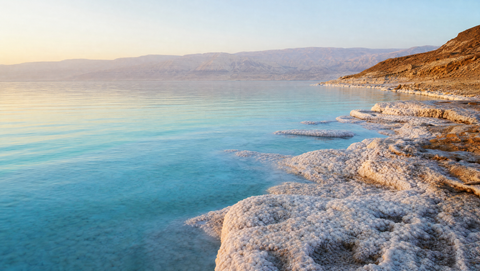
Dead Sea salt is harvested from the Dead Sea, which sits about 430 meters below sea level, one of the highest mineral loads on earth. Our own salt comes from that region in Jordan, where we have been making Dead Sea Treasures products since 1995. The water there is dense and oily to the touch, and when it dries, it leaves salt that feels slightly damp and rich.
Himalayan salt is mined from ancient seabeds in the Punjab region of Pakistan, typically in the Khewra area. It formed millions of years ago when those seas evaporated, leaving behind rock salt with a distinct pink hue from trace iron. It is a land-mined salt, so the crystals are dry and hard compared to Dead Sea salt.
How the Crystals Look and Dissolve
Dead Sea salt crystals are small, irregular, and often look slightly damp. They clump a little in the bag, which is normal because the salt attracts moisture from the air. In warm bathwater, they dissolve quickly, usually within a minute or two, leaving the water soft and slightly silky. You may notice a faint mineral scent, which fades as you soak.
Himalayan salt crystals are larger, drier, and range from pale pink to deep rose. They feel like little rocks between your fingers. In the bath, they take longer to dissolve, especially if the water is not very hot. You might still see crystals at the bottom after several minutes, and they can feel gritty if you sit on them. For a smoother soak, some people grind them finer or use a salt bag.
How Each Bath Feels on the Skin
This is where the two salts part ways in sensory terms. A Dead Sea salt bath feels soft and almost creamy. The water has a slight slip to it, and after you step out, your skin feels smooth and comfortable, not tight. It is a gentle soak that you can enjoy for 20 to 30 minutes without feeling dried out.
A Himalayan salt bath feels more like a classic mineral soak. The water is clear and crisp, and the salt can feel a bit more astringent on the skin. Afterward, your skin may feel clean and toned, but some people find it slightly drying if they soak too long or use too much salt. It is a matter of preference: soft and silky versus crisp and firm.
Typical Uses for Each Salt
Dead Sea Salt
- Full bath soak: Use 1 to 2 cups in a warm bath. It dissolves fast and leaves the water silky.
- Foot bath: Use 1/2 cup in a basin of warm water. Soak for 15 to 20 minutes.
- Body scrub: Mix with oil to make a paste. Our Body Scrub, Salt with Oil is already blended for you.
- Salt soap: Dead Sea salt is often pressed into bars for a gentle exfoliating wash. Try our Salt Soap.
Himalayan Salt
- Full bath soak: Use 1 to 2 cups, but allow extra time to dissolve. Some people prefer to grind it finer first.
- Foot bath: Use 1/2 cup in warm water. The larger crystals may need a stir to dissolve.
- Scrub: Because the crystals are hard, they make a more vigorous scrub. Use a light touch.
- Cooking: Many people keep Himalayan salt in the kitchen, not the bath.
How Much to Use
For a standard tub, 1 to 2 cups of either salt is a good starting point. If you have sensitive skin or prefer a lighter soak, start with 1 cup. For a foot bath, 1/2 cup is plenty. Always stir the salt into warm water before you get in, and remember that more salt does not necessarily mean a better bath. It can make the water feel slippery or leave a residue on the tub.
Cost per Bath
Price matters when you soak often. Dead Sea salt is generally more affordable per pound because it is harvested in large quantities. Our Dead Sea Mineral Bath Salt is $7.99 for a bag that gives you several baths. Himalayan salt often costs a bit more per pound, especially if it is food-grade or sold in fancy packaging. If you bath soak several times a week, the difference adds up over a year.
Comparison Table
| Feature | Dead Sea Salt | Himalayan Salt |
|---|---|---|
| Origin | Dead Sea, Jordan (about 430 m below sea level) | Mined in Punjab, Pakistan |
| Crystal look | Small, irregular, slightly damp | Larger, dry, pink to rose |
| Dissolving speed | Fast | Slower, may need stirring |
| Bath feel | Soft, silky water; skin feels smooth | Crisp, clear water; skin feels toned |
| Best for | Soothing soaks, foot baths, scrubs | Vigorous scrubs, decorative jars |
| Typical amount | 1–2 cups per bath | 1–2 cups per bath |
| Cost per bath | Lower | Higher |
Simple Recommendation by Goal
If you want a bath that feels soft and silky, and you like the idea of soaking in water from one of the most mineral-rich places on earth, choose Dead Sea salt. It is also the practical choice if you soak often and want a lower cost per bath. For a simple start, try our Dead Sea Mineral Bath Salt.
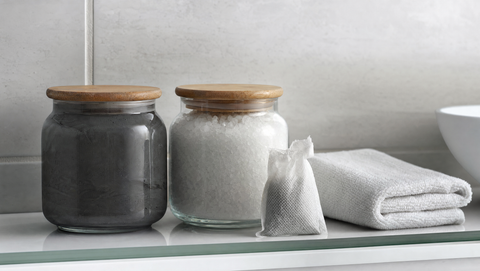
If you prefer a crisp, clear soak and do not mind waiting a bit longer for the crystals to dissolve, Himalayan salt is a fine option. It also makes a lovely gift in a glass jar. But for bath use, many people find Dead Sea salt easier to work with and gentler on the skin.
For foot baths, Dead Sea salt is especially convenient because it dissolves quickly. Pair it with our Foot Cream afterward for a comforting finish.
A Final Note on Honest Skincare
Neither salt is a medicine, and neither will change your skin overnight. What they offer is a pleasant soak, a moment of quiet, and a way to feel clean and comfortable. That is enough. If you are unsure which to try, start with a small bag of Dead Sea salt and see how your skin feels. You can always explore more bath minerals in our Bath Minerals collection.